Cold Hands and Feet
Explore cold hands and feet, sensitivity to cold and accompanying changes, traditional TCM concepts and when to seek medical advice.
By WellTao · Published: · Editorial Policy
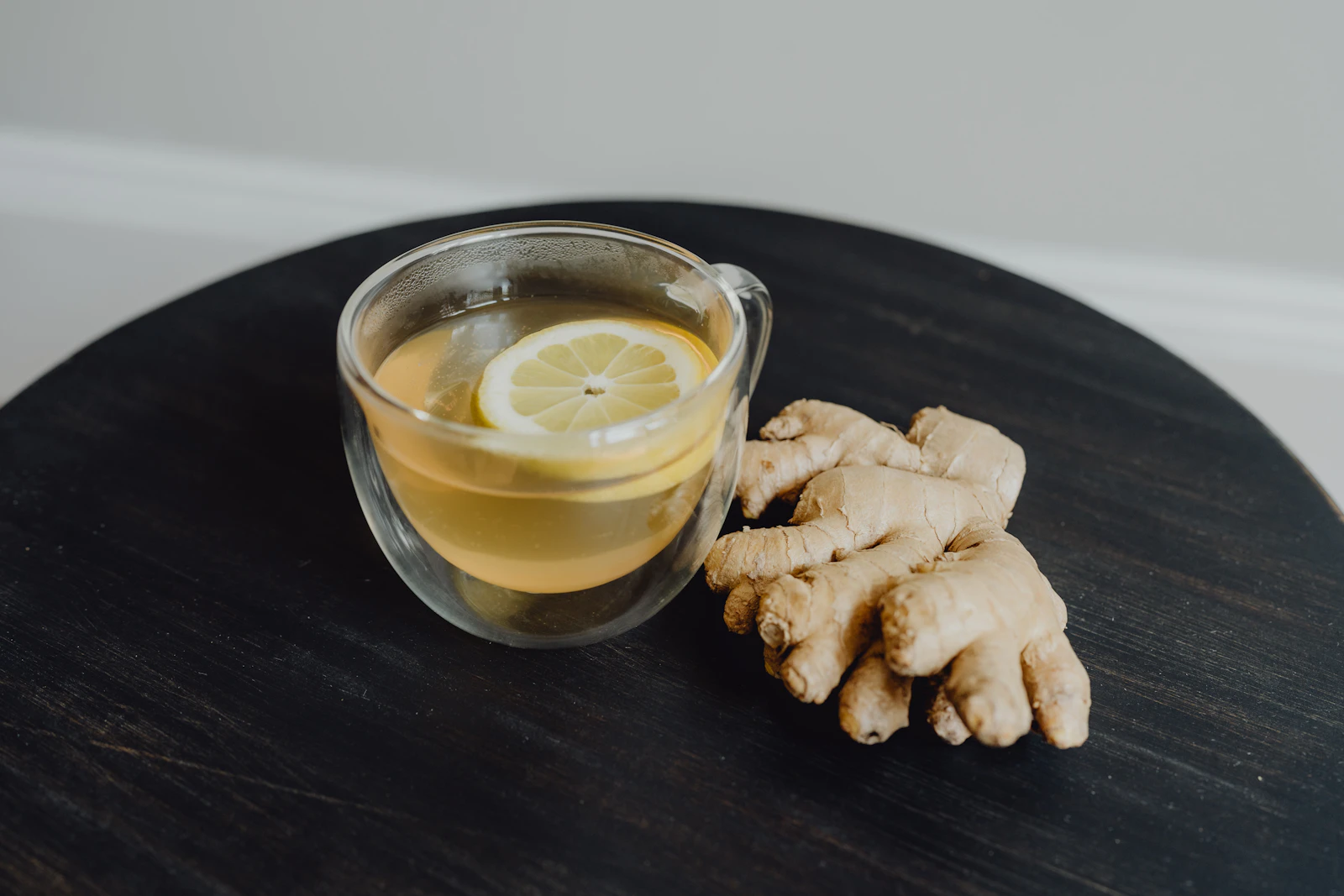
Cold Hands and Feet · Articles in this topic
Articles are on the way
We will add articles to this topic over time. While you wait, explore the overview below for useful context.
Topic overview
Common signs
These descriptions can help you understand and record what you notice. They cannot establish a diagnosis on their own.
-
Hands and feet cold year-round
Your hands and feet stay cold in every season and take a long time to warm up — not just a winter thing. Note whether it is constant and affects both sides; coldness that is one-sided or appears suddenly should be checked.
-
Feeling colder than people around you
You layer up when others are comfortable, seek out heat sources, and dread air conditioning even in summer. This is a useful clue about your constitution; if the chill is marked and comes with changes like weight gain or dry skin, it is worth a medical check.
-
Fingertips turning white or blue in the cold
Finger (sometimes toe) tips blanch white or turn blue with cold or stress, then flush red with tingling or numbness as they rewarm. Track how often this happens and what sets it off; frequent episodes or any skin breakdown warrant evaluation for Raynaud's.
-
Clearly worse in winter or air-conditioned rooms
Symptoms swing with ambient temperature — worse in winter and chilled rooms, easing when warm. Logging when it flares helps you judge; if your hands and feet stay cold even in warm settings, further investigation makes sense.
-
Fatigue, pale complexion, or low spirits alongside
Cold extremities plus constant tiredness, a pale face, or low energy suggest the issue goes beyond the extremities themselves. If these accompanying signs are pronounced, have them assessed rather than just reaching for warmer socks.
Concepts in traditional Chinese medicine
- Yang Deficiency
- Blood Deficiency with Cold
- Qi Stagnation
- Cold Congealing the Vessels
These are concepts from a traditional medical framework, not modern medical diagnoses. Do not select a treatment or identify a pattern from symptoms alone. Discuss TCM approaches with a qualified health professional, and do not delay or replace needed medical care.
TCM safety and research overview (NCCIH)When to seek care
Seek a professional assessment if you notice any of the following:
- Fingers or toes that reliably turn white, then blue in the cold and red on rewarming, with clear pain or numbness — especially if attacks are frequent or worsening
- Sudden coldness in only one hand or foot, with pain, numbness, or color change
- Ulcers, darkened skin, or wounds on the fingertips or toes that do not heal
- Joint pain, rashes, mouth ulcers, or unexplained weight loss alongside
- Marked fatigue, paleness, or palpitations — or unusual cold intolerance with weight gain and dry skin
References1 source
- 01
NHS (UK National Health Service)
Download the App
Get personalized TCM health recommendations