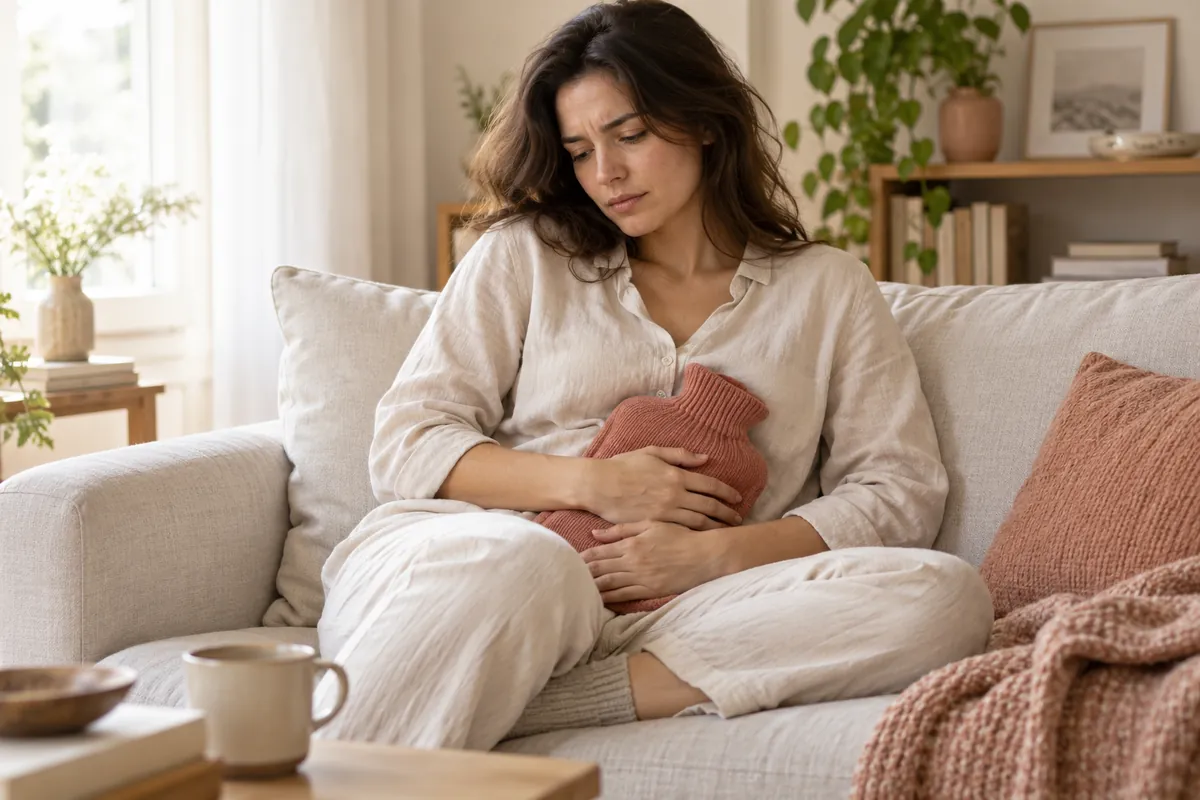
Does a Heating Pad Help Period Cramps? What the Evidence Says
Heat is a first-line self-care option for primary period cramps. Here is what the studies show, how to use four kinds of heat safely, and when pain needs assessment.
Read articleExplore the timing, intensity and accompanying signs of period pain, changes worth recording, traditional TCM concepts and when to seek care.
By WellTao · Published: · Editorial Policy
9 articles
Heat is a first-line self-care option for primary period cramps. Here is what the studies show, how to use four kinds of heat safely, and when pain needs assessment.
Read article
Typical primary cramps peak in the first 24–72 hours and ease as bleeding lightens. Learn which timing changes deserve attention and keep a practical pain timeline.
Read article
Start with warmth and gentle movement for familiar period cramps. Compare the evidence, use a symptom diary, and know when pain needs medical care.
Read article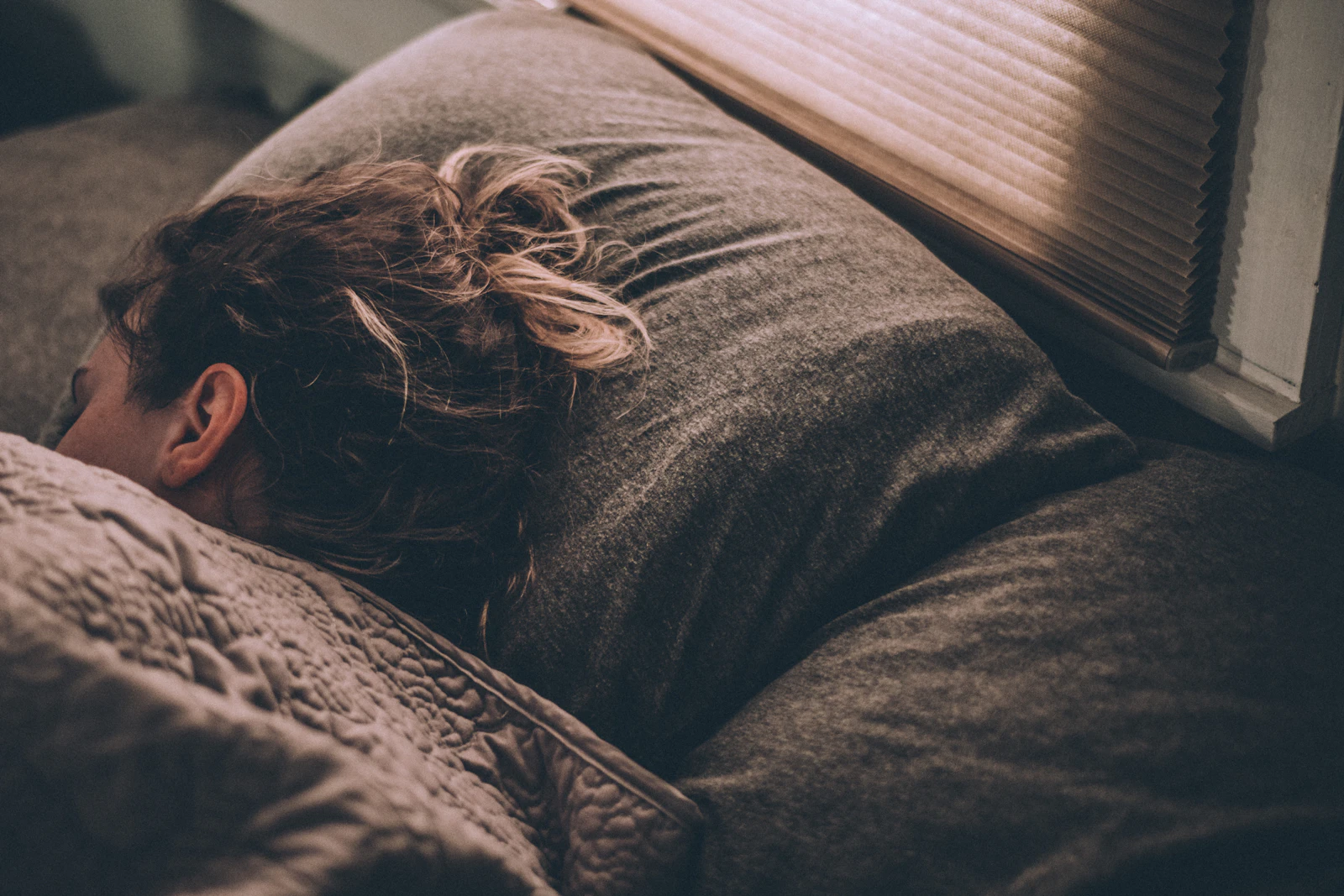
Try side-lying with bent knees, a pillow under your knees, and a practical 15-minute bedtime routine. Learn why nights feel worse and when sleep-disrupting cramps need care.
Read article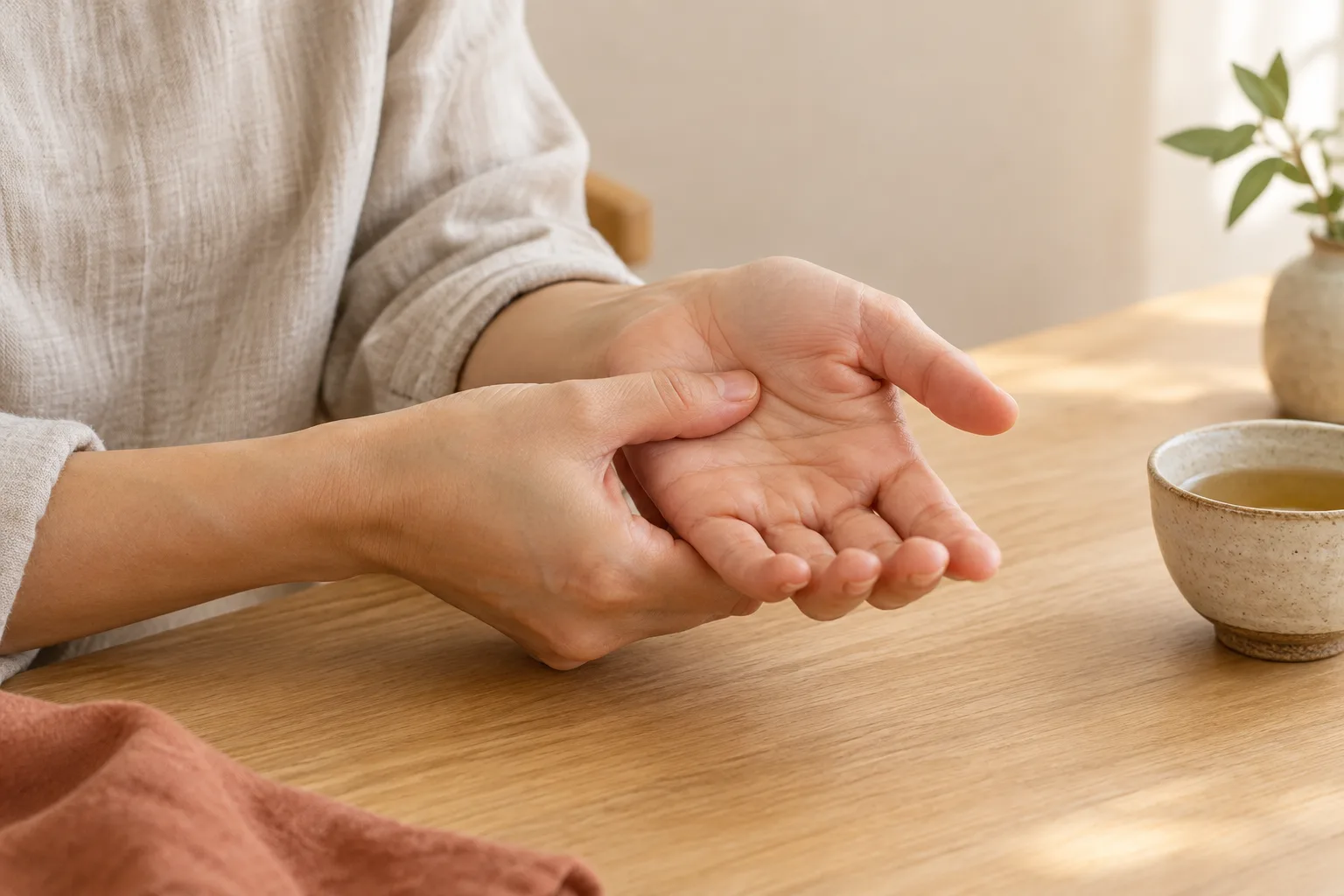
Find SP6, LI4, ST36, and PC6; learn gentle pressure, timing, pregnancy cautions, and what the Cochrane evidence actually covers. Includes an 8–10-minute routine.
Read article
Ginger tea has the most period-pain research among common drinks. Compare chamomile, peppermint, cinnamon, coffee, cranberry juice, and meals rich in omega-3s, magnesium, and calcium.
Read article
Cramps worsening in your thirties or forties may reflect hormone changes or a secondary cause such as adenomyosis, fibroids, or endometriosis. Track the trend and know when to seek assessment.
Read article
A week-early ache may fit a PMS pattern, be mistaken for ovulation pain, or need another explanation. Use timing and accompanying symptoms to decide what to track and when to seek care.
Read article
Menstrual pain can spread from the uterus to the lower back and thighs. Learn how referred pain works, which changes deserve assessment, and practical ways to ease back and leg discomfort.
Read articleThese descriptions can help you understand and record what you notice. They cannot establish a diagnosis on their own.
Cramping or a dragging ache around the period, ranging from mild discomfort to pain that disrupts your day. If pain worsens month over month, or usual pain relief works less well, get it evaluated.
A heavy ache across the lower back and sacrum, usually arriving with the abdominal pain. Check whether warmth or gentle rubbing eases it — a useful clue about its nature.
Queasiness, poor appetite, and a drained feeling during the period. If vomiting keeps you from eating normally, see a doctor rather than pushing through.
Looser, more frequent stools during a period, linked to pelvic congestion and hormonal shifts. If this happens well beyond your period, it deserves a separate look.
Lightheadedness or headache around the period, tied to blood loss, pain, or hormonal swings. Paired with noticeably heavy flow, it warrants a check for anemia.
These are concepts from a traditional medical framework, not modern medical diagnoses. Do not select a treatment or identify a pattern from symptoms alone. Discuss TCM approaches with a qualified health professional, and do not delay or replace needed medical care.
TCM safety and research overview (NCCIH)Seek a professional assessment if you notice any of the following:
UK National Health Service (NHS)
UK National Health Service (NHS)
Get personalized TCM health recommendations