Dandruff
Explore dandruff, an itchy scalp and changes in oiliness, observations worth recording, traditional TCM concepts and when to seek skin advice.
By WellTao · Published: · Editorial Policy
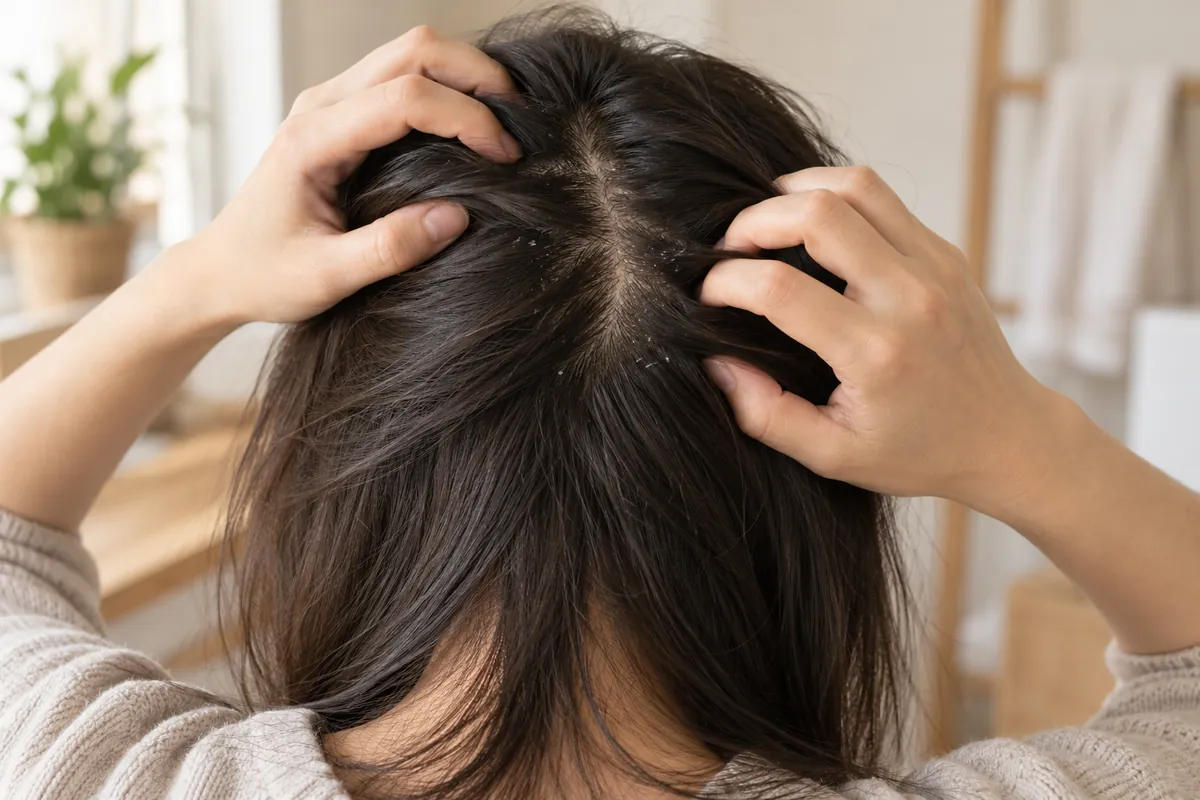
Dandruff · Articles in this topic
Articles are on the way
We will add articles to this topic over time. While you wait, explore the overview below for useful context.
Topic overview
Common signs
These descriptions can help you understand and record what you notice. They cannot establish a diagnosis on their own.
-
White or oily flakes on the scalp
Part your hair and look: fine white dry flakes, or greasy yellowish clumps stuck to the scalp. Whether the flakes are dry or oily is a key self-check clue — each points to a different cause and a different care approach.
-
Itchy scalp
An itch that keeps returning even soon after washing. Note whether it comes with redness or extra oiliness; severe itch with red patches or oozing on the scalp should be checked for a skin condition.
-
Flakes visible on shoulders and clothing
Noticeable white flakes collecting on the shoulders and back of dark clothing means shedding is on the heavy side. Watch for a few days whether the amount shifts with sleep, stress, or diet — it's a useful gauge of severity.
-
Scalp that feels greasy or overly dry
Hair that clumps with oil a day or two after washing, or a scalp that stays tight and dry all year, are both signs of imbalance. Greasy scalps lean toward damp-heat; dry ones toward blood-deficiency dryness — and each calls for different care.
-
Flaking that worsens with scratching
The more you scratch, the more it itches, and the more flakes come off. Scratching speeds up skin turnover and feeds the cycle; if you've scratched the skin open or into scabs, get that treated first before working on the underlying pattern.
Concepts in traditional Chinese medicine
- Heat in the Blood with Dryness
- Damp-Heat Rising to the Head
- Blood Deficiency with Dryness
- Liver-Kidney Deficiency
These are concepts from a traditional medical framework, not modern medical diagnoses. Do not select a treatment or identify a pattern from symptoms alone. Discuss TCM approaches with a qualified health professional, and do not delay or replace needed medical care.
TCM safety and research overview (NCCIH)When to seek care
Seek a professional assessment if you notice any of the following:
- Heavy flaking that does not improve after several weeks of anti-dandruff shampoo
- Obvious red patches, greasy thick crusts, or weeping areas on the scalp
- Noticeable hair loss, hair coming out in clumps, or scalp pain
- Severe itching, or flaking spreading to the face, behind the ears, or the body
- Well-defined patches of thick, silvery-white scale on the scalp
References2 sources
- 01
UK National Health Service (NHS)
- 02
American Academy of Dermatology (AAD)
Download the App
Get personalized TCM health recommendations