herb
Dong Quai (Angelica sinensis): Uses, Evidence and Precautions
A reference to dong quai root, the limits of menstrual and menopause claims, and important bleeding, medicine and pregnancy precautions.
By WellTao · Published: · Last updated: · Editorial Policy

Which angelica does this page describe?
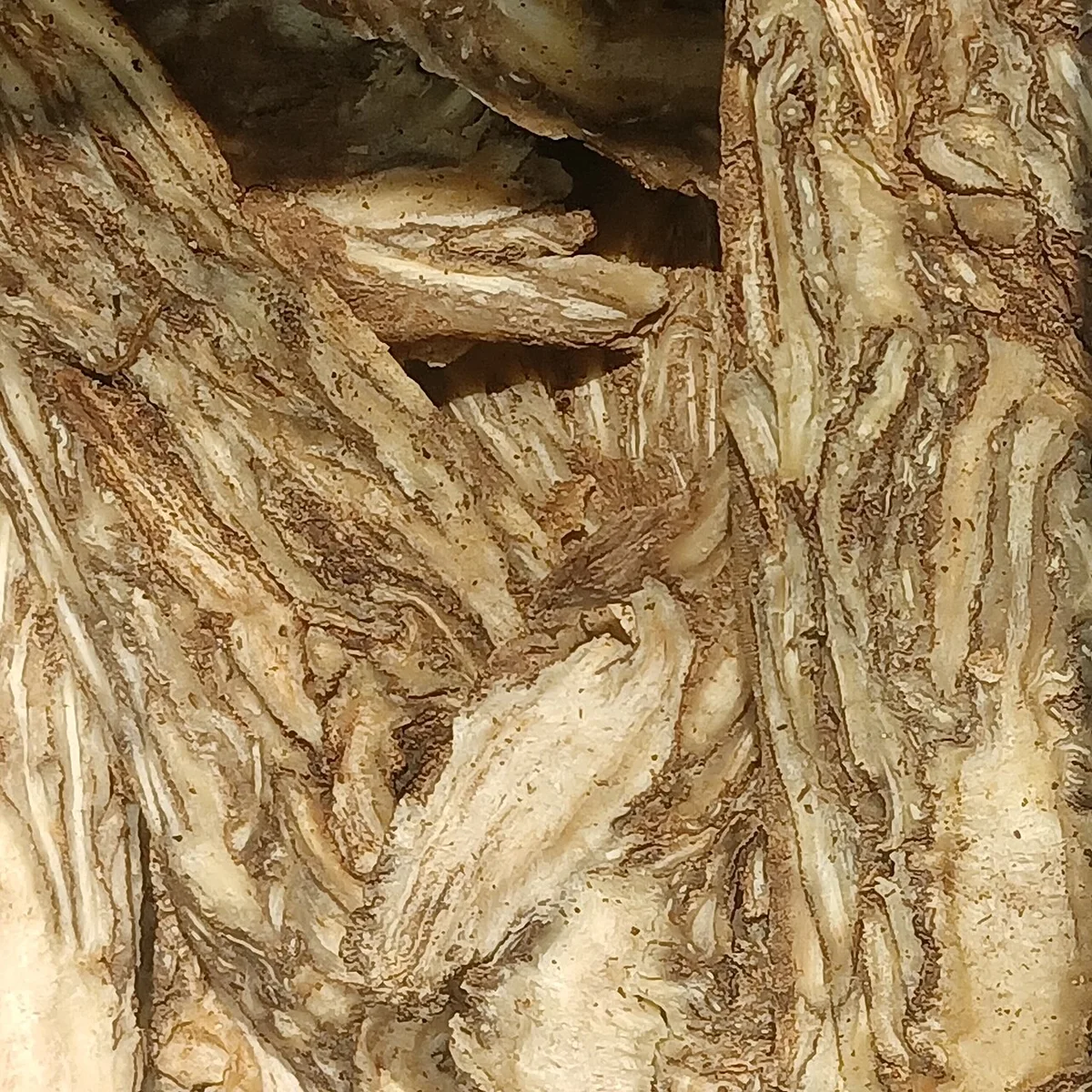
Dong quai is the root of Angelica sinensis. “Angelica” can refer to several plants, so a common name or a photograph is not enough to identify a safe product. Check the species, the plant part and the complete ingredient list. The root pictured here is an illustration of the material, not a guide to foraging.
What do traditional claims mean?
In Chinese medicine, dong quai is described using terms such as “nourishing blood.” That language does not mean the root treats anaemia or has been shown to correct a blood test. Memorial Sloan Kettering’s dong quai monograph describes traditional menstrual and menopause uses but reports inconclusive clinical evidence. Findings in laboratory cells or animals cannot establish a benefit for a person drinking a decoction.
A more useful reading of a product claim is to ask what was actually studied: the same species, a single ingredient or a mixture, and what measured outcome? If those details are missing, a confident headline tells you very little.
What are the main safety concerns?
The MSK monograph warns about bleeding interactions, including with warfarin, and advises against use during pregnancy and breastfeeding. People with hormone-sensitive conditions should discuss it with their care team. Bring the label to a clinician or pharmacist; do not stop a prescribed medicine to make room for an herb.
What if the reason for using it is period pain?
Pain deserves attention in its own right. The NHS period-pain guidance advises assessment when periods become more painful, heavier or irregular, or pain disrupts normal activities. Write down timing, bleeding changes and what you have tried. That record helps a consultation without assuming that every menstrual problem is a traditional “blood deficiency.”
This page does not provide a medicinal dose or a formula to mix at home. NCCIH’s overview of Chinese medicine explains why the identity and quality of herbal products also matter. An educational description of a root cannot resolve those individual treatment decisions.
This content is for educational purposes only. Dosage and contraindications vary by individual constitution. Always consult a qualified TCM practitioner before use.
References3 sources
- 01
Memorial Sloan Kettering Cancer Center
- 02
NHS
- 03
Download the App
Get personalized TCM health recommendations